

Duchenne muscular dystrophy:
A caregiver's guide
People with Duchenne muscular dystrophy (DMD) require some level of caregiving throughout their whole lives, particularly as the disease progresses and patients become less mobile and more reliant on assistive devices. It can feel like a monumental task, but being knowledgeable about the disease and its treatment and management and knowing where to go for support and resources can go a long way in ensuring caregivers are able to give their loved ones the best possible care and help them maintain their quality of life. The following articles can help DMD caregivers educate themselves, figure out next steps, and learn how to take time for themselves.


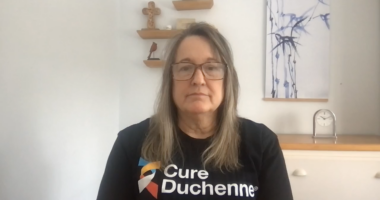







Read: A caregivers guide

Parents can help children with Duchenne muscular dystrophy find their voice in medical appointments by giving them room to answer questions, take part in care decisions, and gradually learn to manage their health.

Tracking symptom changes in DMD can help caregivers better support daily needs, maintain independence, and prepare for future challenges. Using simple tools like symptom trackers and routine adjustments can help families manage changes with greater confidence.

Emergencies in DMD may not always be obvious, but preparation can help you respond with confidence. Knowing potential warning signs and keeping essential medical information accessible can support faster communication and safer care when it matters most.

Talking to a doctor about DMD may feel overwhelming, but caregivers are central to shaping care. With preparation and open dialogue, you can help guide treatment decisions and plan effectively for what’s ahead.

Corticosteroids are a key part of DMD treatment, helping slow disease progression and preserve muscle function. Learn how they work, common side effects, and what to consider when starting or stopping treatment.

Pain from Duchenne muscular dystrophy can impact daily routines, mobility, and emotional well-being. A personalized care plan, therapies, and a support team can help manage symptoms and improve comfort.

Fat embolism syndrome is a serious complication in people with duchenne muscular dystrophy, often caused by fractures or trauma. Caregivers play a key role in prevention, detection, ongoing support to improve outcomes.

People with DMD often have gastrointestinal issues as the muscles that help move food through the digestive system weaken. Treating GI problems starts with good nutritional intake and a good bowel regimen.

Trained service animals provide more than invaluable assistance and emotional support for individuals with Duchenne muscular dystrophy; they also play a crucial role in promoting independence.

Making the transition to adulthood with DMD may involve changing from pediatric to adult healthcare, developing life skills, exploring education options, and learning about challenges for an adult living with DMD.

The educational journey for a child with DMD can be exciting but also challenging, and caregivers or parents may find themselves taking on multiple roles to help their child navigate the school years.
 Discussion
Patient columnist Robin Stemple has many people who assist him, particularly his wife and daughter, and he is grateful for everyone who gives him help on a daily basis, often without him even having to ask.
 Discussion
After 17 years, Shalom Lin is preparing to say good-bye to his caregiver, Glenda. Goodbyes are always painful but often necessary. Nothing lasts forever, so we must enjoy what we have with the people we love, he writes.

For DMD caregivers, the more you know — from learning about disease progression, to what to ask a doctor, to resources for support — the more prepared you can be for navigating life with DMD and helping your loved one through each stage.

Betty Vertin has nine children, including three boys living with Duchenne muscular dystrophy. Although they have had their share of the challenges that come with a DMD diagnosis, she also says it has brought them closer together.

For parents of children with DMD, there is no single road map for overcoming the challenges of dealing with a chronic disease and maintaining your child's quality of life, but there are a variety of strategies that can assist you in managing the day-to-day and help your child live a full life.
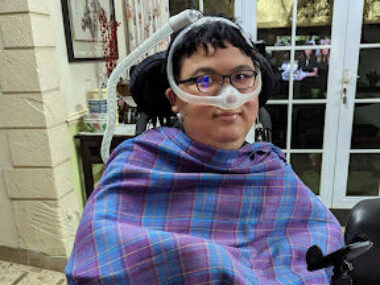
As someone living with Duchenne muscular dystrophy, Shalom Lim must find the balance between daily management of his condition and finding time to do the things he loves and maintaining relationships with those he loves.

Many resources and support services can help those affected by DMD navigate the complexities of managing the disease, ranging from educational resources that can help you learn more about different aspects of the condition to financial assistance programs that may be able to assist in covering the costs of treatment and management.

Exon skipping is a therapeutic strategy aimed at allowing a shorter, but still functional, version of the dystrophin protein to be produced in people with Duchenne caused by specific mutations in the DMD gene. It is not cure but can help to reduce the effects of the genetic disease.

Gene therapy is a treatment strategy for DMD designed to target the underlying cause of the genetic disorder. The goal of gene therapy is to help slow or stop the progression of the disease so patients can retain better motor function for longer.