Living fast and embracing everyday life with an ultra-rare type of MD
Written by |
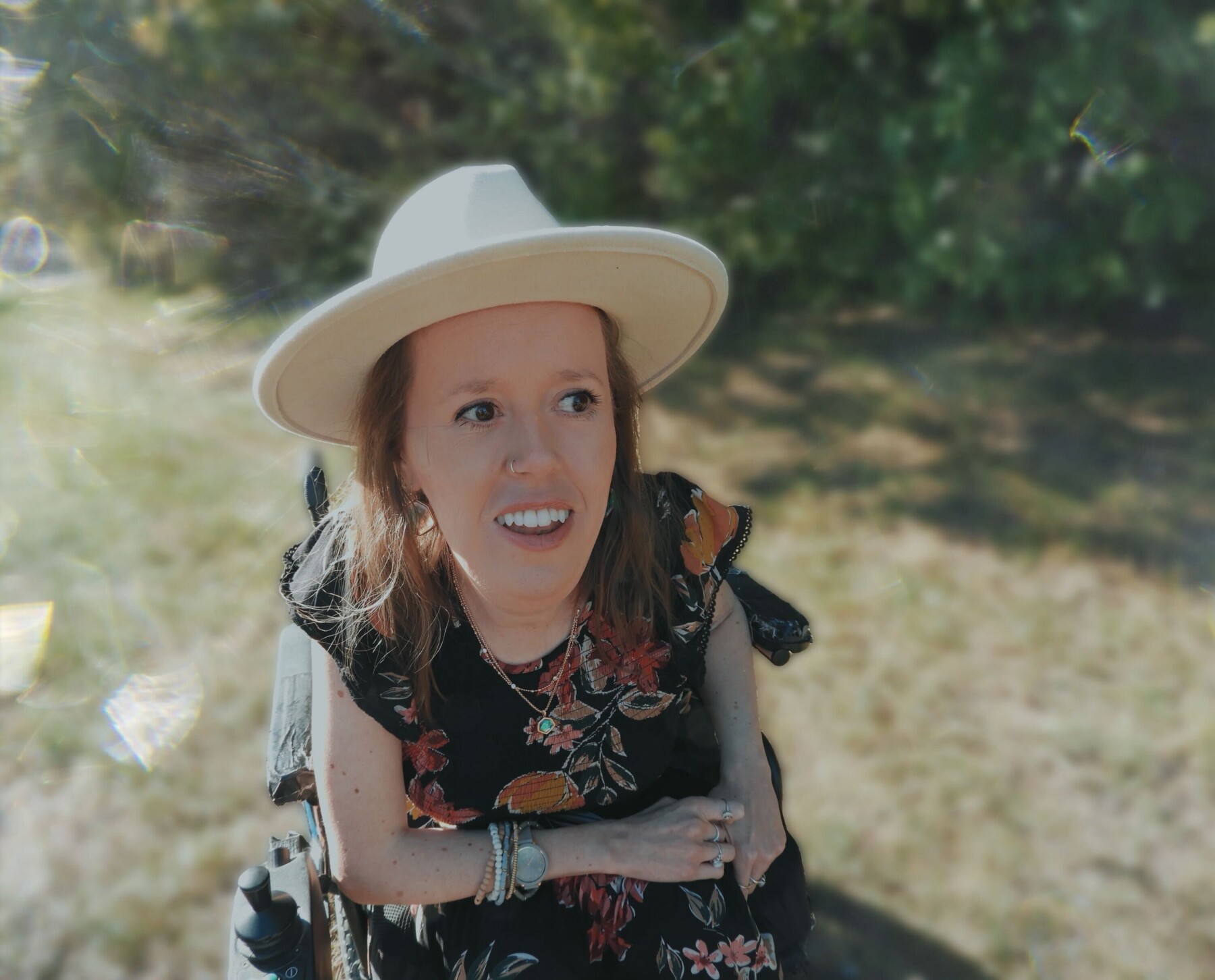
Kelly Berger smiles and soaks up the sunshine in a grassy park. (Courtesy of Kelly Berger)
In recognition of Muscular Dystrophy Awareness Month in September, the Muscular Dystrophy Awareness Month campaign features a series of stories highlighting the real-life experiences of people affected by muscular dystrophy, written in their own words. Follow us on Facebook, Instagram, or X for more stories like this, using the hashtag #MDAwarenessMonth, or read the full series.
It isn’t visible to the naked eye, but it lingers in the minds of those of us living with neuromuscular conditions: a ticking clock above our heads.
It counts down the seconds, minutes, hours, and days. Sometimes it’s quiet. Other times, it’s loud and impossible to ignore.
The ticking clock serves as a constant reminder of how much time we may have left and how quickly the days can slip away. Every second is precious, and the joy of making it to another day is worth commemorating.
Of course, you could argue that this applies to all of us. But it’s especially true for people living with muscular dystrophy (MD). Those of us with rare, muscle-wasting conditions are well aware that tomorrow is never promised.
After receiving a diagnosis like MD, there’s an intense urgency to live fully. To propel forward before our physical abilities continue to dwindle or our time unexpectedly runs out.
It may seem like a morbid or bleak outlook, but it’s the stark reality for those living in the rare realms of MD. Medical advancements and better care practices have drastically improved quality of life and outcomes for many. There are victories to celebrate, including gene therapies that may slow disease progression. However, many people living with ultra-rare forms of MD still have no approved treatments.
Living with a type of congenital muscular dystrophy called collagen 6-related dystrophy (COL6-RD) has taught me to embrace the fast lane. I continue to push myself beyond my physical limitations as a full-time power wheelchair user.
While my body may be screaming at me to rest, stay still, and recover, I somehow muster the strength to persevere past my exhaustion. The lingering fear that it could be my last chance to take part in an activity fuels my desire to keep going. I would even argue that I lead a more active lifestyle than the average able-bodied person.
This routine has consequences when my body ultimately dictates my plans. An unexpected illness or respiratory infection could severely change my trajectory. Medical setbacks are a painful reminder of just how fragile my life truly is and can force me to slow down.
Having experienced loss within our community reminds me to carry forward with any energy I have while I still can. I honor those who are no longer with us by forging ahead as they would have.
Aging with MD is a privilege. I am lucky to be a healthy, thriving COL6-RD patient in my late 30s, and I don’t take that lightly. It hasn’t come easily, either. My care team and support system are key parts of my success story. The backbone of my bustling life, they make the loud clock feel a little quieter.
The clock may still be ticking, but I’m choosing to count the moments and not the minutes.