Nobody tells you the good part of life with muscular dystrophy
Written by |
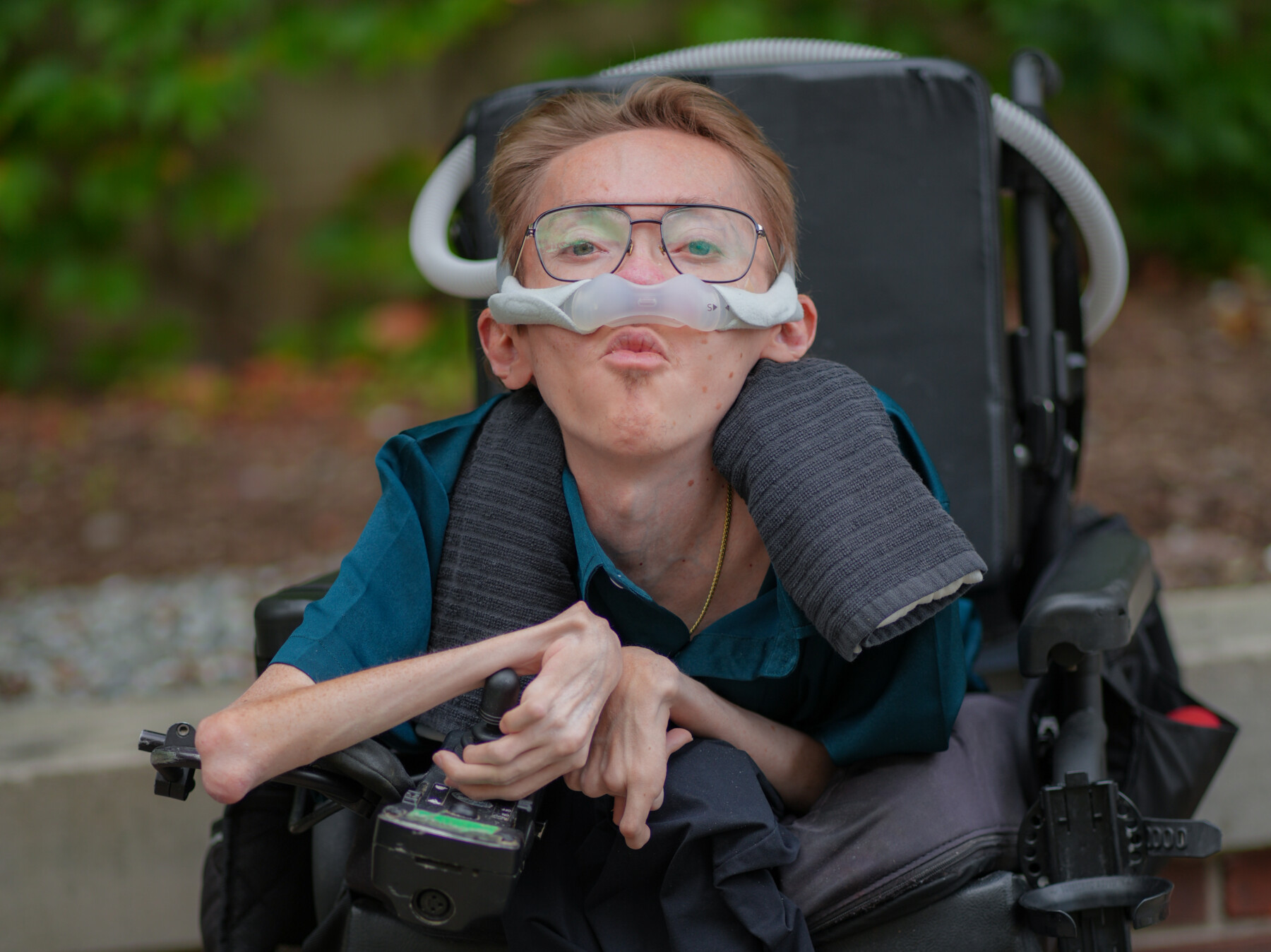
Steve Way is a disabled actor, comedian, and writer. (Photos courtesy of Steve Way)
In recognition of Muscular Dystrophy Awareness Month in September, the Muscular Dystrophy Awareness Month campaign features a series of stories highlighting the real-life experiences of people affected by muscular dystrophy, written in their own words. Follow us on Facebook, Instagram, or X for more stories like this, using the hashtag #MDAwarenessMonth, or read the full series.
If you or someone you love just got a muscular dystrophy diagnosis, I’m sorry. Not in the greeting card way. Rather, in the way of someone who’s been holding this particular bag since he was a kid and knows exactly how heavy it is when they first hand it to you.
I’m here to tell you the stuff nobody tells you, because when I was diagnosed, the information came in two flavors — terrifying medical prognosis, and strangers being weird and sad at me. Neither was useful. Here’s what I actually wish someone had said.
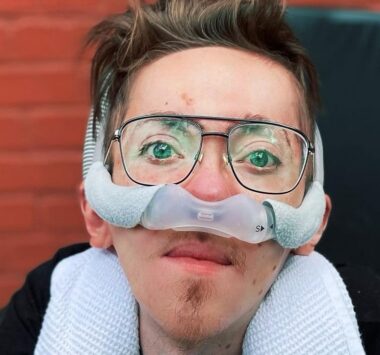
Way likens having muscular dystrophy to “being the world’s most qualified project manager for a project you didn’t apply for.”
First: The doctors are guessing more than they’ll admit. They’ll give you timelines and worst cases in a very calm voice, and you’ll take every word as prophecy. Don’t do that. They’re working off averages and statistics, and you are not a number. I’ve outlived several confident predictions purely out of spite, which I recommend as a coping mechanism and a personality.
Second: Your body is going to do things, and most of them are more annoying than tragic. This is the part the inspirational posters skip. There’s a lot of logistics. Equipment that breaks at the worst possible time and a lot of explaining yourself to people who could have just Googled it. Nobody warns you that a huge percentage of this life is admin. It’s less battling a cruel illness and more being the world’s most qualified project manager for a project you didn’t apply for.
Third (and this is the one I actually need you to hear): It’s not your job to make anyone comfortable. People are going to want you to be brave and smiley and inspiring, so they can feel good about what’s happening to you. You don’t owe them that or anything. You’re allowed to be angry, scared, and make deeply inappropriate jokes at times other people find shocking. Humor isn’t denial. It’s how some of us keep the lights on. Some of my best material and accomplishments came from the worst appointments.
And here’s the good part nobody tells you, because it doesn’t fit the script. This life can be genuinely, stupidly good. Not “good despite …,” or “good because it taught me a lesson.” Just good. I have work I love, people I love, a body that has never once cooperated, and a life I wouldn’t trade. That’s just what happens when you stop waiting for the disability to end before you start living.
You’re not going to become an inspiration. You’re going to become a person — the same one you already are — now with more equipment and a much better story.
Welcome to the club. It’s not what you were afraid of. It’s harder in ways nobody mentions, and better in ways nobody mentions, and you’re not doing it alone.