
A Purple Parade profile amplifies my disability advocacy
By sharing my DMD story, I hope to foster a more inclusive society
Written by |

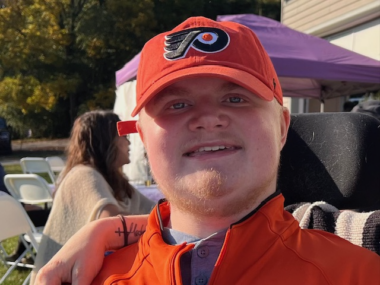
Last month, the Purple Parade featured my story on its website. Reading my profile prompted me to reflect on why I continue speaking up about living with Duchenne muscular dystrophy (DMD) and what I hope these conversations might achieve.
The Purple Parade is Singapore’s largest disability-inclusion movement, bringing people with disabilities, their families, businesses, community organizations, and government partners together to foster a nation where everyone belongs. Being included among its advocates reminded me that sharing my experiences has always been about helping others understand what life with Duchenne is really like, not about publicity.
DMD is a progressive condition that weakens my muscles over time, including those responsible for breathing and keeping my heart beating. I rely on a wheelchair, a ventilator, and caregivers throughout the day. These realities shape every decision I make, from attending medical appointments to accepting invitations to speak publicly.

Accessibility is about dignity, not just features
The profile highlighted several aspects of my advocacy, including accessible transport, policy, service animals, and writing. Yet one idea stood out to me: dignity.
People often think accessibility begins with ramps and elevators. Those features matter because they enable people with disabilities to participate in society. But living with Duchenne has taught me that dignity goes much deeper. It’s about having the autonomy to make our own decisions, being treated with respect, and knowing our voices are not only heard but also valued.
One issue I discussed in the profile was wheelchair transport, or care transport, as it is often described in Singapore’s mainstream media. It’s something that I advocate for at Shalom Medcare, where I serve as brand ambassador.
Why wheelchair transport deserves more attention
Wheelchair transport is an essential service that receives scant attention in Singapore’s conversations around accessibility and inclusion. Although public transport has become far more accessible over the years, traveling as an advanced DMD survivor remains challenging. Crowded buses and trains are unsafe for me, especially since my BiPAP ventilator is mounted behind my wheelchair.
Every trip requires my caregiver and me to bring a backup ventilator and spare parts in a separate bag, in case the machine breaks down, fails, or malfunctions outside the home. I also must look up the safest navigation routes before I leave.
Walking to the nearest bus stop or train station in Singapore’s hot and humid climate is another challenge. Although my home is only 15 minutes away, it’s on higher ground, making my commute anything but smooth due to bumpy, uneven terrain, which poses another safety risk for me.
Safe wheelchair transport allows me to attend medical appointments, spend time with my girlfriend, Amanda, and meet collaborators at Rebirth Ensemble, the disability-led accessible art studio we cofounded. It has also inspired much of my advocacy for safer, more dignified transport for people like me who are severely disabled and have complex health needs.
As I reflected on my advocacy journey so far, I also thought about my late brother, Isaac, whose life with Duchenne continues to inspire everything I do. If sharing our story helps one person better understand Duchenne or encourages one decision-maker to foster a more inclusive society, then every conversation has been worthwhile. That’s the legacy I wish to leave behind.
Note: Muscular Dystrophy News is strictly a news and information website about the disease. It does not provide medical advice, diagnosis, or treatment. This content is not intended to be a substitute for professional medical advice, diagnosis, or treatment. Always seek the advice of your physician or another qualified health provider with any questions you may have regarding a medical condition. Never disregard professional medical advice or delay in seeking it because of something you have read on this website. The opinions expressed in this column are not those of Muscular Dystrophy News or its parent company, Bionews, and are intended to spark discussion about issues pertaining to muscular dystrophy.


Leave a comment
Fill in the required fields to post. Your email address will not be published.