From survival to hope: My son’s story with gene therapy for Duchenne MD
Written by |
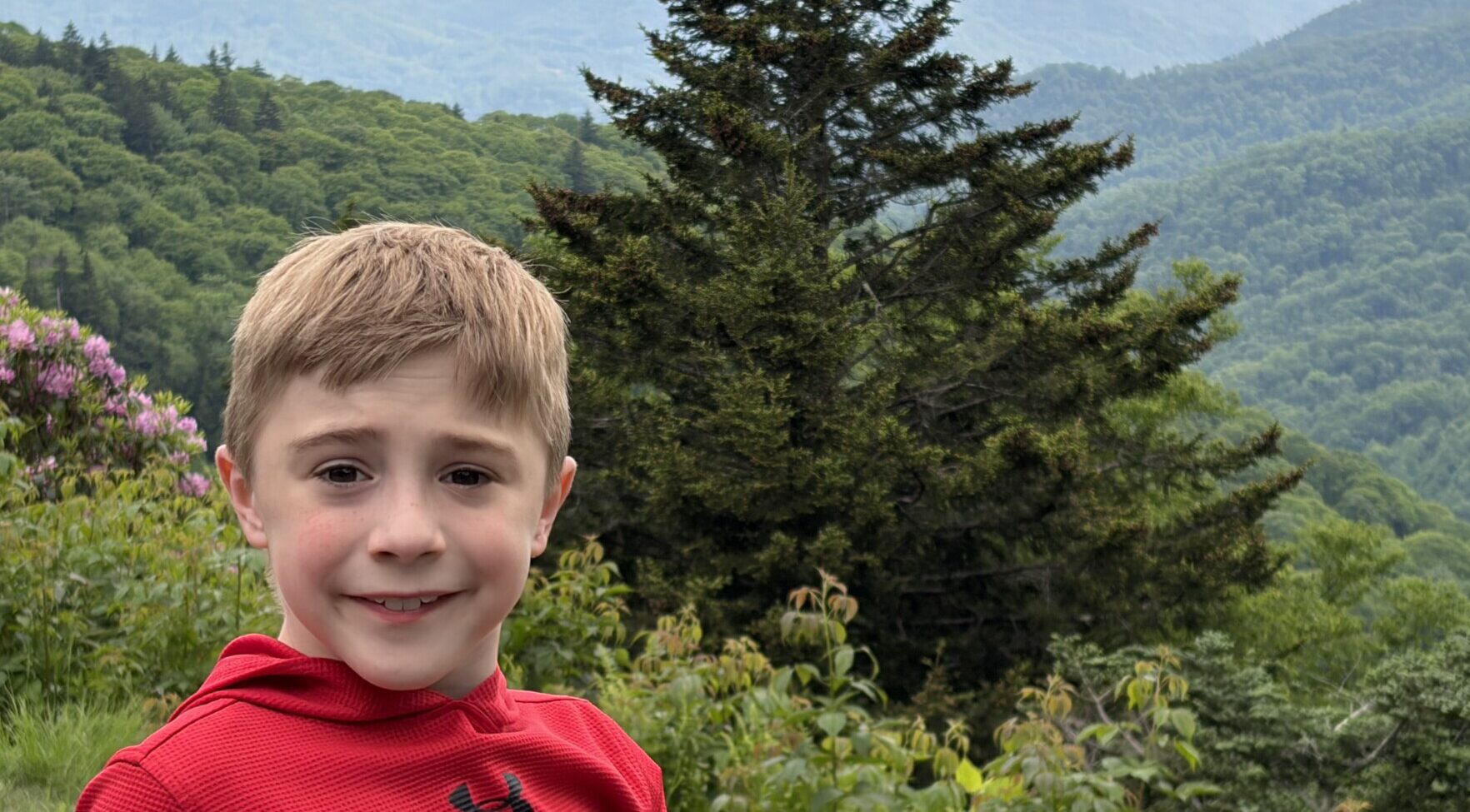
Soren Saxon, 8, was diagnosed with Duchenne muscular dystrophy on June 22, 2023. (Photos courtesy of Kelsey Saxon)
In recognition of Muscular Dystrophy Awareness Month in September, the Muscular Dystrophy Awareness Month campaign features a series of stories highlighting the real-life experiences of people affected by muscular dystrophy, written in their own words. Follow us on Facebook, Instagram, or X for more stories like this, using the hashtag #MDAwarenessMonth, or read the full series.
On June 22, 2023, my 5-year-old son was diagnosed with Duchenne muscular dystrophy.
That same day, the U.S. Food and Drug Administration approved the first gene therapy for Duchenne.
When I tell people that, it sounds like a dream come true. In many ways, it was. It felt as though the world had aligned to give my son an opportunity that hadn’t existed just hours earlier. But that’s not how it felt in the moment. The day my son was diagnosed, a clock started ticking.
The newly approved gene therapy came with fine print: It was approved only for ambulatory children ages 4 and 5. My son was already 5 and would turn 6 in just seven short months. There was also the staggering price tag, insurance approvals to navigate, specialists to find, and one more small problem:
We knew absolutely nothing about Duchenne.
One minute, I was learning that my son’s muscles would gradually weaken because his body couldn’t produce dystrophin. Next, I read about a groundbreaking treatment that had been approved only hours earlier. Every Google search seemed to alternate between devastating reality and incredible hope.
Before we had time to process what this diagnosis meant for our family, we were thrust into a race against the calendar. Our lives became measured by appointments rather than emotions. When I think about those seven months, I honestly don’t know how we did it.
How did I keep reading when every article broke my heart? How did I learn an entirely new language of genetics, treatments, insurance approvals, and multidisciplinary clinics overnight? How did I keep making phone calls, filling out paperwork, scheduling appointments, and making life-changing decisions when all I really wanted to do was hold my little boy and cry?
During that time, I don’t remember allowing myself to grieve. I remember surviving. When your child’s future suddenly feels tied to a deadline, you don’t stop to ask if you’re ready. You just keep moving.
Somewhere along the way, I packed my grief into a box. I promised myself I’d come back to it later. My emotions never disappeared. I simply kept asking them to wait one more day.
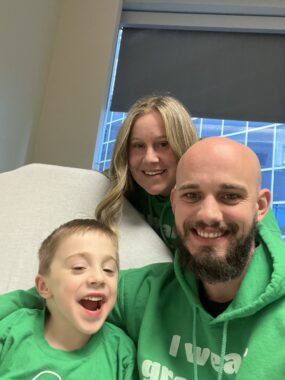
Kelsey and William Saxon accompany their son, Soren, to his Elevidys infusion on Dec. 22, 2023.
On Dec. 19, 2023, Soren received Elevidys (delandistrogene moxeparvovec-rokl). I can hardly believe everything that happened between diagnosis day and that infusion. There was an insurance denial. Appeals. Endless paperwork. Phone calls I never imagined making. I reached out to elected officials, advocacy organizations, and anyone else who might be able to help because every conversation was fueled by the same thought:
What if this one phone call makes the difference?
When Soren received his infusion at Monroe Carell Jr. Children’s Hospital at Vanderbilt in Nashville, Tennessee, he became only the second child there to receive Elevidys. That day felt like the first time I could exhale. Our journey was only beginning, but the countdown clock that had been running in my mind went quiet.
For a month or two afterward, I would occasionally return to that box I’d packed my grief into. I’d lift the lid, peek inside, then quietly close it again. I wasn’t ready. I wanted to feel them; I just didn’t know how anymore.
When I returned to therapy, I finally had the tools and the space to begin unpacking what I’d spent months trying to carry. Together, we examined each piece and honored it. Not rushing it or trying to fix it, but acknowledging that it had been there all along.
Therapy helped me realize something I couldn’t see while I was in survival mode: Surviving and healing are not the same thing. For months, survival had required me to keep moving. Healing required me to finally stop.
Today, when I meet newly diagnosed families, I recognize that same look in their eyes. I know the endless research, the frantic phone calls, the impossible decisions, and the feeling that there isn’t enough time to fall apart.
If Duchenne has taught me anything, it’s this: Hope can ask us to move quickly. Healing asks us to slow down. Both are necessary.